


How Much Dental Work Can I Get In One Visit?
Hi. I really don’t like going to the dentist. I want to finish dental work without too many dental appointments. I need two crowns and three root canals, and I want to get my teeth whitened. I put off the root canals and crowns for over a year. My dentist wants me to spread the treatment over two months, but I would like this done all at once. I don’t like a dentist who has me return unnecessarily. Can I get all this work done on the same day, or am I not being reasonable? – Ken from Reno, NV
Ken – Thank you for your question. We understand your concerns about minimizing dental visits and maximizing your time in the dental chair.
How Much Dental Work Can You Get in One Visit?
How much dental work you can get in one visit depends on several factors, including:
- The type of procedure
- Procedure complexity
- Extent of the work required
- Condition of your teeth
- Your oral health
- Your physical health
- Your dentist’s experience, skills, and recommendations
- Whether you get dental sedation and the type of sedation
How Does Sedation Dentistry Help a Dentist Accomplish More?
 Sedation can help a dentist accomplish more work than without sedation for these reasons:
- You are relaxed – A patient’s anxiety, gag reflex, or inability to relax can limit how much work a dentist completes in one visit. However, dental sedation calms you and allows a dentist to proceed with treatment.
- Your dentist can focus – Your relaxed state allows the dentist to focus on your care while monitoring your vital signs during sedation.
- Decrease pain sensitivity – The American Dental Association confirms that using sedation for complex treatments can ease pain and anxiety.
Can You Get Teeth Whitening and Crowns on the Same Day?
A dentist must complete teeth whitening before placing dental crowns. Your dentist will want to ensure the crowns match your whitened teeth. It can take a week or two for your tooth color to stabilize after whitening.
Speak with your dentist regarding your concerns about minimizing your visits and making your visits as productive as possible. Ask your dentist about sedation for your procedures, too. Consider getting a second opinion from an advanced cosmetic dentist if necessary.
Dr. Thaddeus Michalski, a Rocky Hill, Connecticut dentist and Diplomate of the International Congress of Oral Implantologists, sponsors this post.
What If Local Anesthetic from the Dentist Doesn’t Work?
My 20-year-old daughter had a dental appointment last week, and the numbing shot did not work. Days before the appointment, she kept saying she was not looking forward to it. This is because getting her numb is always a problem, and we keep rescheduling her appointments. I wonder if we need to switch to another dentist. She doesn’t like needles anyway, but they keep giving her shot after shot, which doesn’t work. What do you suggest? Thanks! – Yvette
Yvette –
Thank you for contacting Radiant Smiles of Rocky Hill. Your daughter’s comments about not looking forward to her dental appointment and not getting numb suggest that she has dental anxiety.
What If Local Anesthetic from the Dentist Doesn’t Work?
If local anesthetic from the dentist does not work, it could be that the patient is unable to relax. Sometimes, a high level of anxiety blocks the effectiveness of Lidocaine. If your daughter’s anxiety level is exceptionally high, a dentist may be unsuccessful in numbing treatment areas without administering dental sedation.
Also, a dentist’s technique or the type of anesthetic may not work well for the patient.
How Does Dental Sedation Help Local Anesthesia Work?

Dental sedation helps local anesthesia work because it relaxes you and calms anxiety. Also, sedation minimizes your pain sensitivity. Even patients without dental anxiety benefit from sedation because they are so relaxed that a dentist can complete more work than without sedation.
Schedule a Consultation
We recommend scheduling a consultation with an experienced dentist who understands dental anxieties and offers sedation. Your daughter can explain the causes of her fear and what triggers it in a dental office. An attentive dental team will note your daughter’s triggers and work to avoid them during the appointment.
Other than dental anxiety, some rare medical conditions can minimize the effectiveness of local anesthesia. If you get a second opinion and the new dentist cannot resolve your daughter’s concerns, you can ask her medical doctor for advice.
Rocky Hill, Connecticut, dentist Dr. Thaddeus Michalski sponsors this post.
Why Do I Have a Cavity Beneath My First Molar Crown?
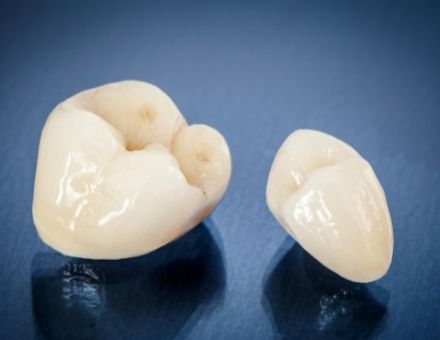
I received three dental crowns in 2019. After my yearly exam, x-rays, and cleaning last week, my dentist said that the top left first molar crown has a cavity beneath it. I regret not getting a second opinion because last year, I mentioned to my dentist that I had a toothache on and off in the tooth, but she didn’t pursue it. Why do I have a cavity beneath a crown? I had a challenging appointment due to anxiety when I got the crowns, and I don’t want to think about getting a new one. Thanks. Elyssa from Arlington, VA
Elyssa,
It is unusual to find decay beneath a relatively new crown. Dr. Michalski would need to examine your crown and x-rays, but we will explain how decay can develop.
Why Do You Have a Cavity Beneath a Dental Crown?
Two reasons you may have a cavity beneath a dental crown include your dental history and the crown placement.
- Your dental history – People with a history of cavities may develop decay beneath a dental crown.
- The crown placement – If the margin where your crown and tooth meet is not smooth or has gaps, bacteria, plaque, and decay can thrive. If your dentist does not detect decay during your yearly exams and x-rays, the decay will progress, and you will begin to feel sensitivity and pain.
How Long Do Dental Crowns Last?
A well-made and precisely placed dental crown can last five to ten years. Insurance companies will not provide benefits for a replacement crown fewer than five years old. Most cosmetic dentists would be embarrassed to find decay beneath a crown they placed.
We recommend finding an advanced cosmetic dentist to examine your tooth, crown, and x-rays.
Will You Need a New Dental Crown?
If you have a cavity beneath a dental crown, a dentist must remove the crown and cavity. You may need a new crown. When you get a second opinion, ask the dentist about sedation options to help you relax during your procedure.
Dr. Thaddeus Michalski, a Rocky Hill, Connecticut dentist and Diplomate of the International Congress of Oral Implantologist, sponsors this post.